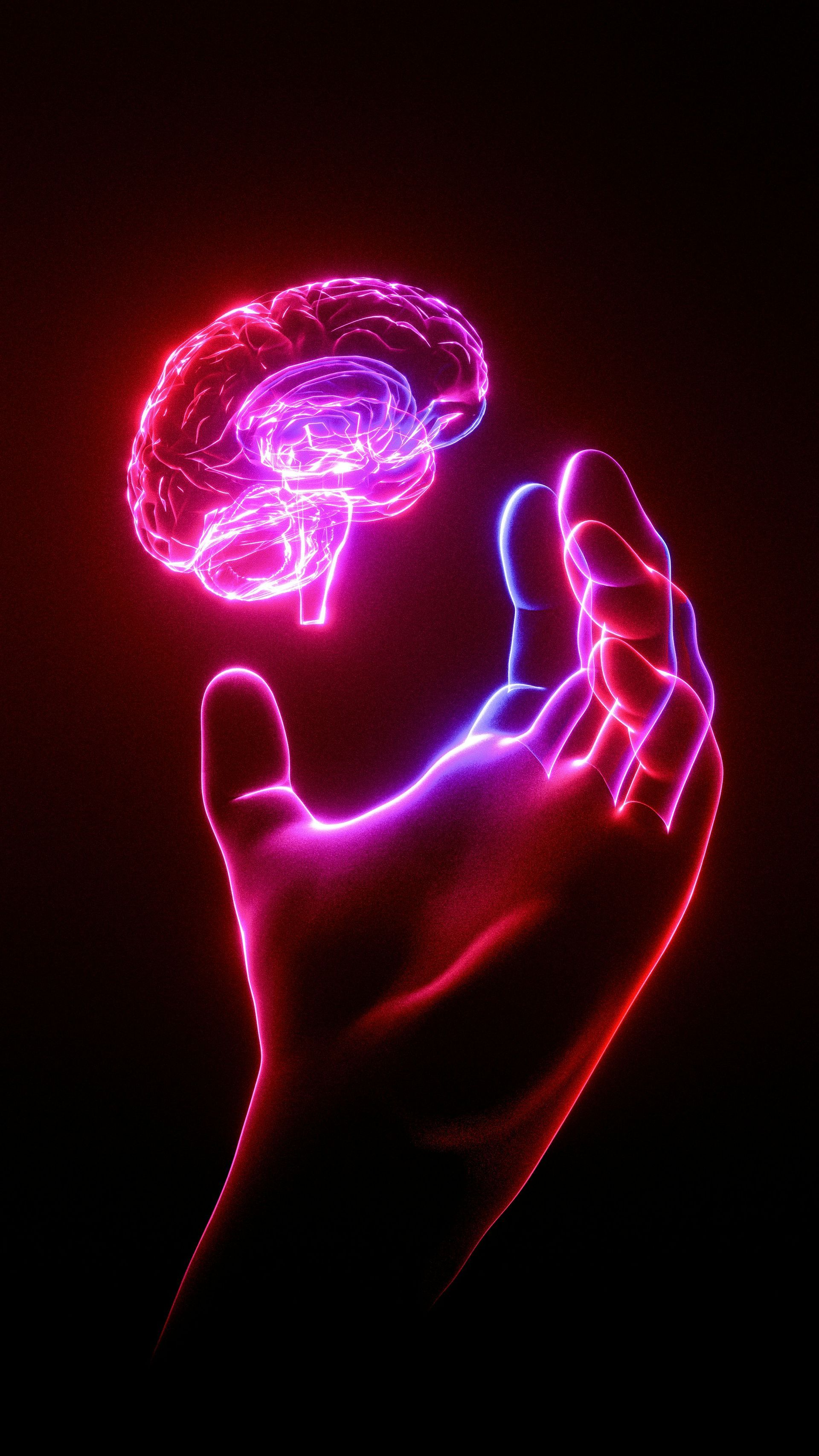
Pain changes everything about the way you move. You know this intuitively — you've felt it. A sore back makes you hesitate before bending over. A painful knee makes you favor the other leg. A shoulder that's been hurt makes you guard it, compensate around it, and gradually stop using it the way you once did.
What most people don't realize is that these movement changes aren't just a physical response to tissue damage. They're a neurological response — driven by your brain's threat-detection system, not just the injury itself. And understanding that distinction is the key to understanding why pain persists long after tissue heals, and what can actually be done about it.
How Movement Normally Works
In a pain-free state, voluntary movement follows a direct and efficient pathway. An intention forms in the prefrontal cortex — the brain's executive center. That signal travels to the primary motor cortex, which generates the movement command. The signal then travels down the brainstem and spinal cord, exits at the appropriate nerve root, travels along the peripheral nerve, and arrives at the target muscle, which contracts and produces the desired movement.
This pathway is fast, efficient, and largely automatic once a movement pattern is well-established. It's why an experienced athlete can perform complex movements without consciously thinking through each step.
What Happens When Pain Enters the System
When pain is present — or even when the fear of pain is present — this pathway gets rerouted. The signal no longer travels directly from prefrontal cortex to motor cortex. Instead, it gets filtered through the ventral medial prefrontal cortex, an area deeply connected to emotional processing, and from there through the amygdala — the brain's fear and threat-detection center.
The amygdala's involvement changes the motor output. Movement becomes guarded. Protective. The body recruits muscles in different sequences, reduces range of motion, increases overall tension, and adopts postures that prioritize perceived safety over mechanical efficiency. These are not conscious decisions — they are automatic neurological responses to perceived threat.
This is why someone with chronic low back pain bends differently than someone without it — even on days when their pain level is relatively low. The brain has learned to treat that movement as dangerous, and it modifies the motor plan accordingly, whether or not the tissue is still acutely injured.
The Problem with Compensation
Short-term, these compensatory movement patterns serve a purpose. They protect injured tissue from further stress during the acute healing phase. The problem is that the nervous system doesn't always update its threat assessment when healing is complete.
Compensation patterns that persist beyond tissue healing create their own problems. Muscles that are chronically overused develop tension and fatigue. Joints that are loaded asymmetrically experience abnormal wear. Movement patterns that worked around one injury create stress concentrations elsewhere. Many people end up cycling through recurring injuries not because of new tissue damage, but because old neurological compensation patterns are still running.
Neuroplasticity: The Brain's Capacity to Change
Here is the genuinely good news: the brain is not a fixed structure. It has a remarkable capacity to reorganize, adapt, and form new neural connections — a property called neuroplasticity. The same adaptive mechanism that allows the brain to develop compensatory movement patterns in response to pain can be used to rebuild more efficient ones.
This is the scientific foundation for movement-based rehabilitation. By consistently exposing the nervous system to new, controlled movement experiences — particularly in contexts that feel safe and manageable — clinicians can help patients literally rewire their motor patterns. The altered pathway through the amygdala can be bypassed. The direct, efficient motor route can be reestablished.
But this process requires a specific approach. Simply telling someone to move through pain, or loading an unprepared nervous system with complex exercises, does not produce neuroplastic change. It produces more guarding, more compensation, and more fear. The right tool for the job is graded exposure.
Graded Exposure: Retraining the Brain Through Movement
Graded exposure is a structured rehabilitation strategy that gradually and systematically reintroduces movements the nervous system has learned to treat as threatening. The key word is gradually. The process starts with movements that are well within the patient's current comfort zone — versions of the target movement that produce no or minimal threat response — and progressively advances toward the full movement over time.
Each successful repetition of a movement that doesn't produce the feared pain outcome is a data point that updates the brain's threat assessment. Over enough repetitions, the nervous system learns that the movement is safe. The amygdala's involvement diminishes. The motor pathway normalizes. Movement quality improves, often alongside pain reduction, because the two are neurologically linked.
This is why the prescription of exercises in our programs is never arbitrary. Movement selection, load, range of motion, and tempo are all calibrated to the current state of the nervous system — not just the tissue. Rehabilitation that doesn't account for the neurological dimension of pain is working with one hand tied behind its back.
What This Means for You
If you're managing chronic pain, recurring injuries, or movement patterns that haven't improved despite rest or treatment, the question worth asking is not just what is wrong with the tissue — but what has the nervous system learned, and is that learning still serving you?
The answers to those questions require a thorough assessment, not a generic protocol. They require understanding the full picture of how you move, what you avoid, what triggers your guarding response, and what a realistic progression back toward normal function looks like.
At Performance Collective, movement assessment is the starting point for every client relationship — because before we can build performance, we need to understand how your nervous system is currently managing your movement. Pain is information. Our job is to help you interpret it accurately and act on it strategically.